Restore a cleaner first impression by removing surface dirt, grime and buildup from exterior property areas.
Exterior surfaces collect dirt, organic buildup and stains that routine sweeping cannot remove. Pressure washing can refresh entrances, concrete, patios, service areas and other suitable surfaces.
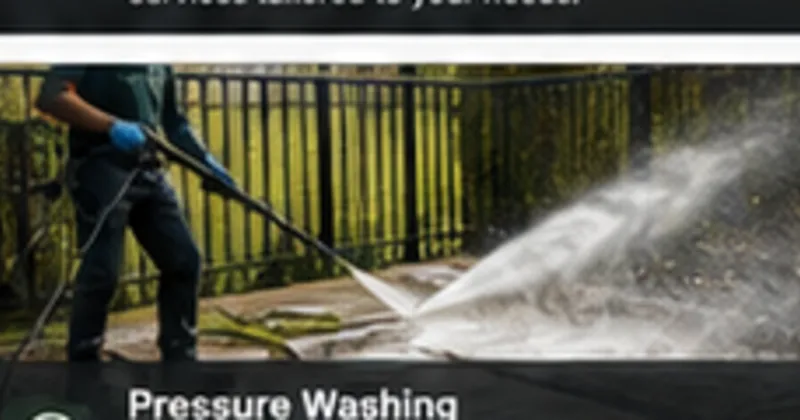
Service can be shaped around the areas that matter most.
- Sidewalk and walkway washing
- Entrance cleaning
- Concrete surface washing
- Patio and courtyard cleaning
- Loading and service areas
- Selected building exteriors
- Parkade-area washing
- Seasonal exterior cleanup
Pressure washing should be planned by surface, soil and surrounding activity
Exterior cleaning is most effective when the scope identifies what is being cleaned and what has caused the buildup. Concrete, pavers, walls, loading areas and entrances respond differently, and nearby landscaping, pedestrians or parked vehicles can affect how the work is scheduled.
Entrances and walkways
High-traffic approaches collect dirt, organic buildup and tracked material. Cleaning can improve presentation before seasonal inspections, tenant turnovers or busy periods.
Concrete and hardscape
Parking edges, loading zones and paved areas may need a stronger periodic program than decorative surfaces. The condition of the material should be reviewed before cleaning.
Weather-sensitive scheduling
Exterior work is easier to manage when rain, drainage, nearby foot traffic and drying time are considered in advance.
Pairing with other services
Pressure washing can be coordinated with parkade cleaning, window cleaning or post-construction cleanup when a property needs a broader exterior reset.
When is pressure washing most useful?
Typical reasons include seasonal buildup, algae or grime on hard surfaces, preparation for an event or inspection, construction residue, and general appearance maintenance. A site review helps determine which surfaces should be treated, which areas need protection and whether the work is best completed in stages.