Flexible recurring janitorial programs that keep workplaces and shared building areas clean, presentable and ready for daily use.
Janitorial service is the day-to-day foundation of a well-maintained property. ADJS can build a routine around the areas that need consistent attention, from entrances and common spaces to washrooms, kitchens, desks and high-touch points.
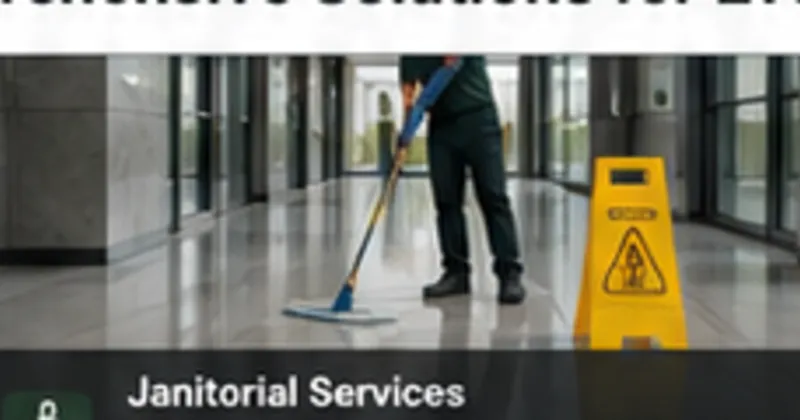
Service can be shaped around the areas that matter most.
- Routine dusting and wiping
- Vacuuming and mopping
- Washroom service
- Kitchen and staff-area cleaning
- Waste and recycling
- Entry and common-area care
- Spot glass cleaning
- Periodic deep-clean add-ons
Planning janitorial service around daily building use
Janitorial programs work best when they are built around occupancy patterns and recurring needs. A property with evening tenants, public washrooms and heavy lobby traffic needs a different schedule from a quiet professional office, even when the two buildings are similar in size.
Daily priorities
Waste removal, washrooms, kitchens, touchpoints and visible common areas are usually the first items to define. High-use zones can be serviced more often while lower-use rooms are placed on a rotating schedule.
Day porter or after-hours service
Some sites benefit from daytime attention for spills, restocking and public areas. Others prefer after-hours cleaning to minimize disruption. The right arrangement depends on access, staffing and the way occupants use the property.
Consumables and supplies
Paper products, liners and other consumables can be addressed separately from labour so the property manager knows what is included. Clear responsibility prevents shortages and avoids duplicated purchasing.
Quality checks
Recurring janitorial work should be reviewed over time. A practical plan allows frequencies to change when tenant counts, seasons, events or operating hours change.
When is a customized janitorial plan useful?
Customized service is especially useful for offices, strata common areas, retail properties, clinics, light industrial facilities and buildings with mixed public and staff areas. Instead of forcing every room into the same frequency, the scope can identify daily, several-times-per-week, weekly and periodic tasks so the plan is easier to understand and manage.