Deep cleaning for high-traffic carpet, mats and selected upholstered surfaces.
Carpet traps soil and traffic wear that regular vacuuming cannot fully address. Periodic deep cleaning helps refresh appearance and can be scheduled around the way the property is used.
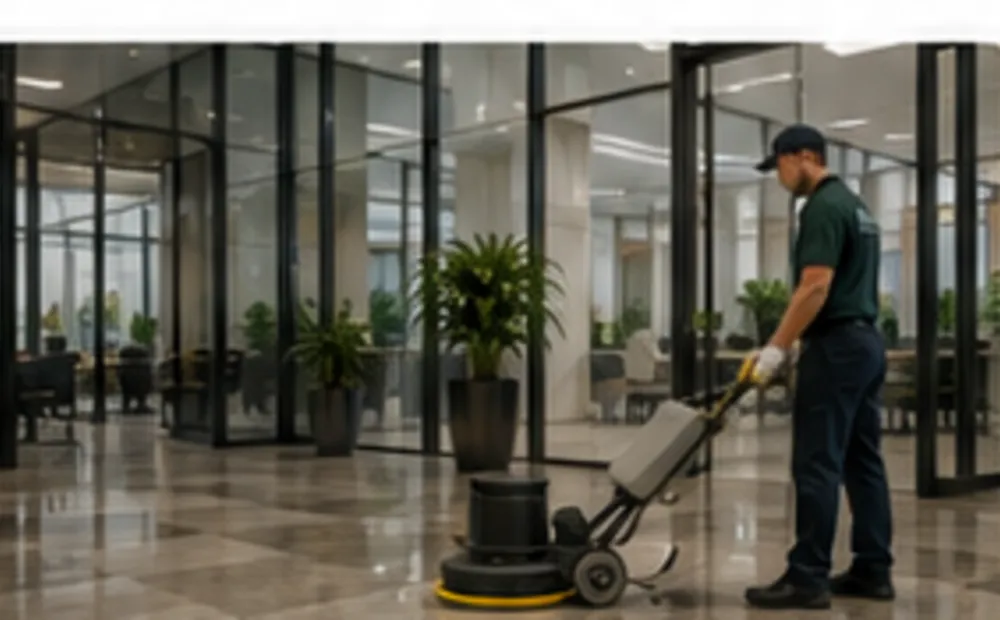
Service can be shaped around the areas that matter most.
- Commercial carpet cleaning
- Entry mat cleaning
- Spot treatment
- High-traffic area focus
- Selected upholstery cleaning
- Pre-service vacuuming
- Periodic maintenance programs
- Turnover carpet cleaning
Commercial carpet care is different from routine vacuuming
Vacuuming controls loose soil, but embedded dirt, spills and traffic-lane buildup require periodic deeper cleaning. The right approach depends on carpet construction, staining, drying time, furniture and how quickly the area must return to service.
Traffic lanes and entrances
These areas usually soil faster than private rooms. Treating high-use zones on a planned schedule can prevent the entire property from needing the same frequency.
Spot and spill history
Known stains should be identified before service. Results can vary depending on the material, age of the stain and prior treatments, so expectations should be realistic.
Drying and access time
Commercial properties need a plan for furniture, pedestrian traffic and drying. Evening or staged service may reduce disruption in occupied buildings.
Coordinating floor care
Carpet cleaning can be scheduled alongside hard-floor maintenance so shared spaces receive a consistent periodic refresh without overlapping contractors.
How often should commercial carpets be deep cleaned?
There is no single interval that fits every site. A busy lobby may need periodic extraction more often than private offices, while low-traffic areas can be maintained less frequently. Foot traffic, weather, matting, spills and appearance standards should determine the schedule rather than a fixed calendar alone.